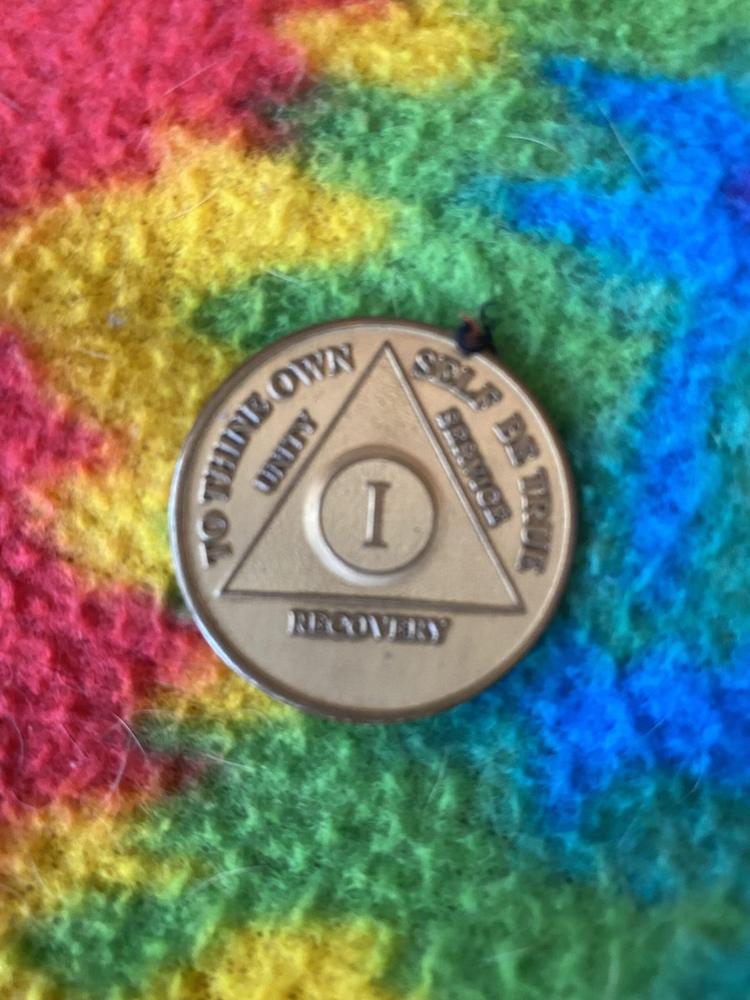

A Walk in the Park

At first I didn’t see him.
What I saw was a small heap of rags, a mound of dark colors piled on the grass.
Charlie and I were out for our daily jaunt. A two-year old, former racing greyhound, Charlie loves walking the streets, sniffing fresh green shoots and stopping short when she spies a small dog.
So it was no wonder she froze when we neared the park. A woman with a small terrier stood nearby conversing with a gentleman on the porch.
The pair motioned for me to join them. I knew the man well, a prominent figure in our town. Still, given the inevitable tangle of canines that would ensue, Charlie and I veered off into the park.
That’s when I saw him.
What I thought was just a pile of cloth was a man. He was sitting cross-legged, slumped on the ground with his head bent, like he was reading a book. He wore a dark puffy jacket, suitable for the chilly day. As Charlie and I walked by, I saw the reason for his slumber. An empty bottle of rum and a few smaller bottles of whiskey lay scattered on the grass.
Was he alive? Yes. He was breathing. Was he in danger? No, the day was cold but not freezing. Then probably okay to let him sleep, I reasoned. He would wake at some point, and walk off to some place.
Later that day I got an email from the man on the porch. He explained why he and the woman were trying to get my attention. They wanted to “warn” me about the man in the park. They had called the police.
I stared at the email – and felt incredibly sad.
Before my son’s addiction, before his recovery, before I attended Al-Anon, before I listened at AA meetings, before I heard the stories filled with anguish and pain and loss, I might have called the police, too.
But that was before I knew about compassion – and hope.
Originally published on lisahillmanauthor.com.
Worried about someone you love? We’re here to help.
BWRF intake: (954) 344-0550
Featured family resource
Recovery United (help for families)
A nonprofit that helps families and individuals facing addiction figure out what to do next. Fill out a short online form and a Family Advocate contacts you, usually within 24 hours, to talk through options such as detox, treatment programs, counseling, intervention help and family support. It does not provide treatment itself and is not a crisis line.