

Thoughts on making the bed
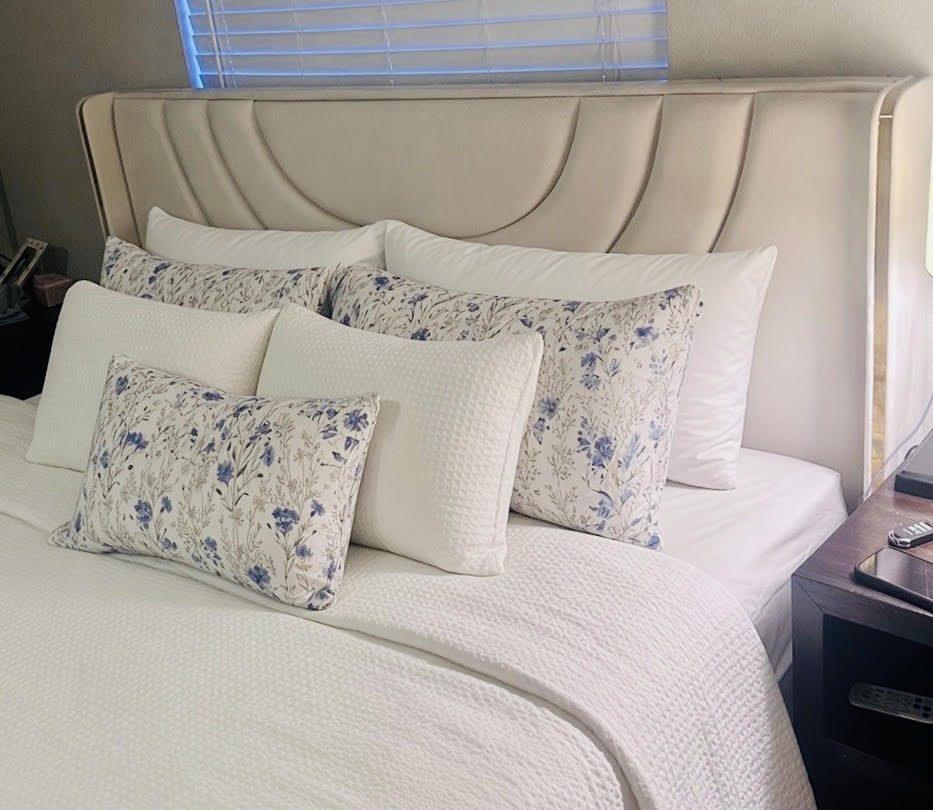
Amid the chaos of this world, there is this…
Who makes the bed in your household?
I’ve always been a bit neurotic about this clearly minor, daily household chore. The bed must be made before I leave the house, let alone head downstairs, no matter the time.
There’s something about sweeping a hand across the mattress, smoothing out the top sheet, puffing up the pillows and placing them just so – that sets the day on a clean course.
I’ve already accomplished something. It’s a good start.
This morning, eyeing the pillows lined up in silent salute, my thoughts wander to what others do – and what that even means. (Let alone, what does this have to do with addiction?)
Is it a character plus or minus if you do or don’t make the bed?
In the military it’s standard, complete with unannounced inspections to ensure it’s done just right.
Treatment centers and recovery houses commonly command that clients make their beds.
Then there is that much heralded speech delivered by retired U.S. Navy Admiral William H. McRaven at the University of Texas at Austin commencement May 17, 2014. He admonished graduates that if you want to change the world, begin by making your bed every single morning to accomplish your first task of the day.
How interesting to me that since recovery began, my son has done just that (although admittedly I am not in South Florida to witness it, but he does when home in Maryland).
So there must be something to that morning ritual.
Perhaps it’s just a way of saying, Good morning, Higher Power. I am alive today.
My bed is made.
I can control this.
And what I can’t I am ready to face.
Originally published on lisahillmanauthor.com.
Worried about someone you love? We’re here to help.
BWRF intake: (954) 344-0550
Featured family resource
Recovery United (help for families)
A nonprofit that helps families and individuals facing addiction figure out what to do next. Fill out a short online form and a Family Advocate contacts you, usually within 24 hours, to talk through options such as detox, treatment programs, counseling, intervention help and family support. It does not provide treatment itself and is not a crisis line.